

Scroll Top

Medical AI

Medical AI

Artificial Intelligence in the Medical Industry: A Revolution in Healthcare

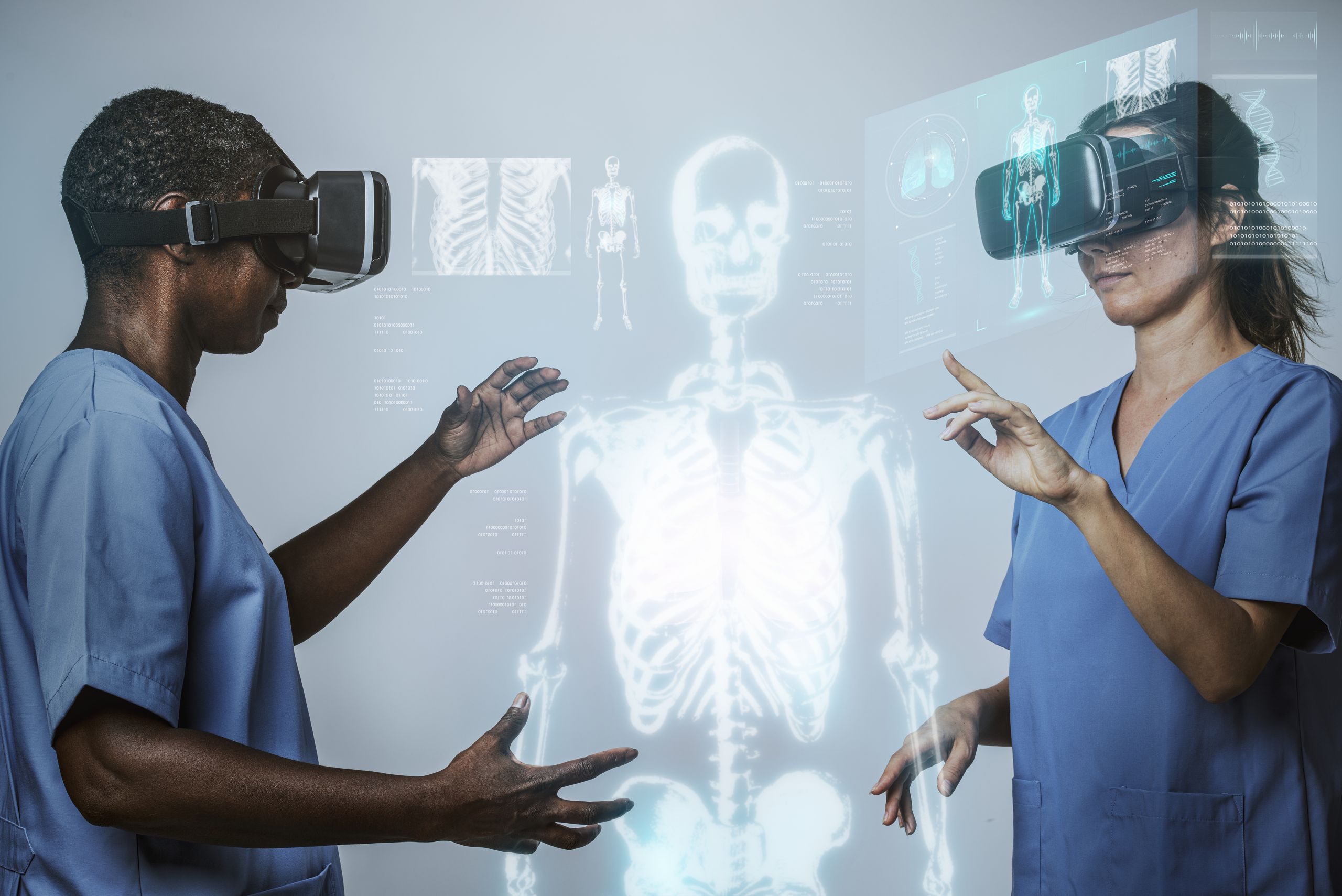
The medical industry has always sought innovative methods to improve the quality of healthcare services, reduce costs, and enhance patient experience. Artificial Intelligence (AI), as a transformative technology, provides numerous opportunities in this field and is rapidly reshaping the landscape of healthcare.

Applications of Artificial Intelligence in Medicine

Disease Diagnosis: AI algorithms analyze medical images such as CT scans, MRIs, and X-rays to enable faster and more accurate diagnosis of diseases like cancer, heart conditions, and infections. This technology helps physicians make better decisions.

Data Management: AI processes and analyzes vast volumes of medical data, including patient records and test results, rapidly. This accelerates treatment processes and improves decision-making.

Personalized Medicine: AI facilitates personalized treatments based on each patient’s genetic information and medical history, leading to more effective therapies with fewer side effects.

Robotic Surgery: AI-powered robots perform complex surgeries with high precision, reducing human errors and improving surgical outcomes.

Disease Prediction: Predictive models based on AI identify the likelihood of diseases and help in their prevention. These tools allow physicians to intervene before illnesses develop.

Benefits of AI in the Medical Industry Increased Accuracy and Speed in Diagnosis: AI enhances diagnostic accuracy by analyzing medical data and images, preventing delays in identifying diseases. Cost Reduction: AI technologies lower healthcare costs and shorten the time needed for medical processes. Enhanced Patient Experience: AI-based systems, such as virtual assistants, provide personalized services and 24/7 support to patients.
    Cresta Help Chat
    Send via WhatsApp